CGI vs product photography: which is right for your next launch?
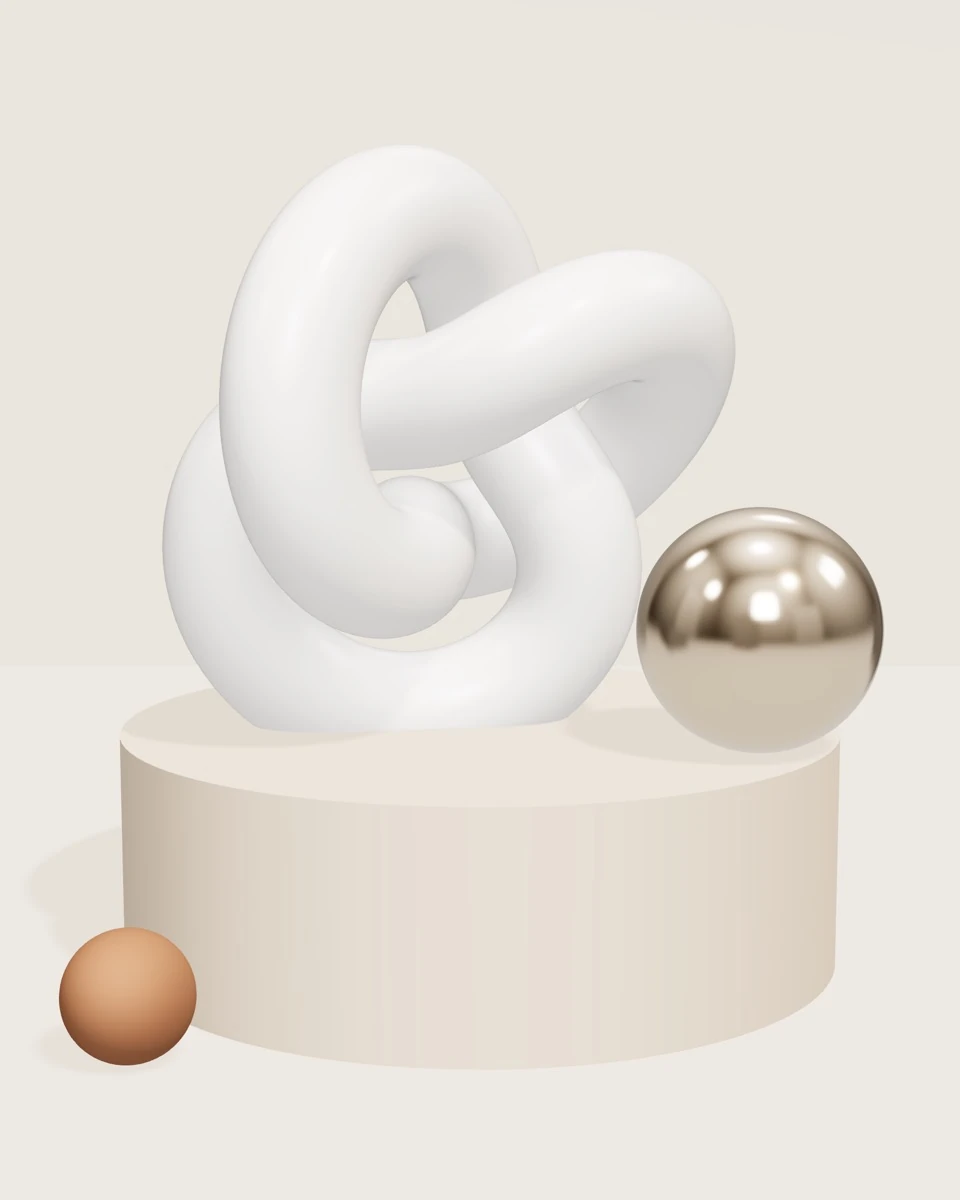
For years, product imagery meant one thing: ship samples to a studio, book a photographer, build a set and hope everything is ready on shoot day. Today many brands create the same images in 3D instead. Here is how the two approaches compare, and how to decide which one fits your launch.
What a CGI product render actually is
A CGI (computer generated imagery) product render is an image created entirely in 3D software. The product is modeled to scale, its materials are recreated (glass, liquid, metal, paper, foil), and it is placed in a virtual set with virtual lights and a virtual camera. Done well, the result is indistinguishable from a photograph, with one big difference: nothing in the image had to physically exist.
The key differences
1. You do not need the product
A photoshoot needs a finished, perfect sample. A render needs artwork and dimensions: a label PDF, a dieline, a few reference photos or a CAD file. That means you can produce launch imagery while the product is still in production, show a new label before it is printed, or pitch a concept that has not been manufactured yet.
2. Changes do not mean reshoots
In photography, a new label, a different cap colour or a changed angle usually means booking another shoot. In 3D, the model already exists, so the change is applied to the scene and rendered again. This is the biggest long term advantage of CGI: the model keeps working for you after the first project.
3. Perfect consistency across a range
When you photograph twelve products over two days, small differences in light and angle creep in. In 3D, every product can sit in exactly the same light, at exactly the same angle, which makes shop grids, marketplace listings and catalogues look clean and premium.
4. Scenes that are hard or impossible to shoot
Floating bottles, frozen splashes, a jar inside a block of ice, falling food: on a real set these take rigs, retouching and luck. In 3D they are a matter of building the scene. That freedom is why CGI is now common in drinks, beauty and food advertising.
5. Where photography still wins
Photography is still the natural choice when real people interact with the product, when you need documentary authenticity, or when you need a large volume of quick, simple images of products that already exist and will never change. Many brands combine both: CGI for hero, packshot and campaign images, and photography for people and lifestyle content.
A quick way to decide
- Choose CGI if the product is not finished yet, you will update labels or variants, you need a consistent range, or you want scenes that would be difficult to build physically.
- Choose photography if the image is about people, places or real moments, and the product will not change.
- Combine both for a full launch: CGI hero shots and packshots, plus photography for social and lifestyle storytelling.
What it costs with us
We keep pricing simple and fixed. Our AI Slot starts at €149 for three AI product renders, the Basic Slot is €399 for three native 3D hero renders, and the Pro Slot is €1,299 for a full launch package with lifestyle scenes and an animation loop. Larger campaigns and ranges are quoted as Custom. You can compare the packages side by side.
Ready to try CGI?
Send us your artwork and a few reference photos and we will tell you which approach fits your product. Start a project.